



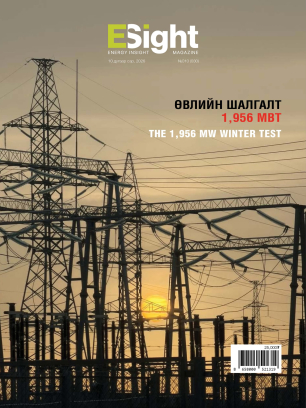


The 1,956 MW winter test
A Challenge Repeated Every Winter
According to the National Dispatching Center, peak demand in the Central Energy System is expected to reach 1,956 MW this winter. This is 153 MW higher than last winter’s peak. Last winter, when peak demand reached 1,803 MW, domestic generation supplied 1,482 MW, while the remaining gap was covered through imports, other system adjustments and consumption restrictions. With demand increasing by 11–15 percent each year, preventing this gap from widening has become one of the sector’s main challenges.
In this issue, Energy Insight looks at the risks to electricity supply this winter. Beyond the question of whether the power will go out, we examine how generation, imports, the grid, the budget, new technologies and investment are connected.
The energy sector’s winter preparedness is tested every year during peak demand. It is a test not only of generation capacity, import options and transmission reliability, but also of investment decisions made in previous years.
Energy engineers and technical staff have worked each year to get through winter with as little risk as possible, using short maintenance periods to repair ageing equipment and keep the system running as demand rises. But their daily efforts cannot replace decisions delayed for years at the policy level or make up for insufficient investment. Today’s difficulties are not the result of one winter or one government. Investment in new generation, transmission networks, substations and storage should have kept pace with demand, yet many decisions were postponed and the sector has remained trapped in a short cycle of simply “getting through the next winter.”
Even so, the sector has a plan to manage this winter’s peak demand with lower risk. A 70 MW thermal power plant planned to come online in Sukhbaatar soum of Selenge aimag and 80 MW of imports from China will add to supply. Auction projects and battery storage may also help reduce peak-hour demand. But planned capacity becomes real supply only if these projects are completed on time.
Yet even if we get through this winter, the main question remains: will the following winters be managed in the same temporary way? The Ministry planned an unprecedented level of investment in the energy sector in the 2027 State Budget, but without sufficient support, financing and implementation remain uncertain. Delayed investment needs will not disappear next winter; combined with rising demand, they will place even greater pressure on the system.
For the energy sector, a successful winter means supplying consumers with electricity and heat without interruption. That depends on consistent long-term policy and investments delivered on time. To overcome a challenge that repeats every winter, Mongolia needs to break the cycle of postponing decisions. Reliable supply next winter begins with investment decisions made today. Yet those decisions remain uncertain.

 2026-11-09


